


As cyberattacks become increasingly frequent and the risks for companies continue to grow, SAP Business One now also includes a range of functionalities for managing user access and identity. This is an aspect overlooked by many companies, which ignore the fact that ERP systems store the most important and confidential information—from financial data to customers’ personal data.
For SAP, access protection is a key priority, and this is where the Identity and Authentication Management (IAM) functionalities in SAP Business One come into play. They make users’ lives easier by reducing the number of logins and passwords they need to remember, while at the same time increasing security through modern mechanisms that limit attack risks.
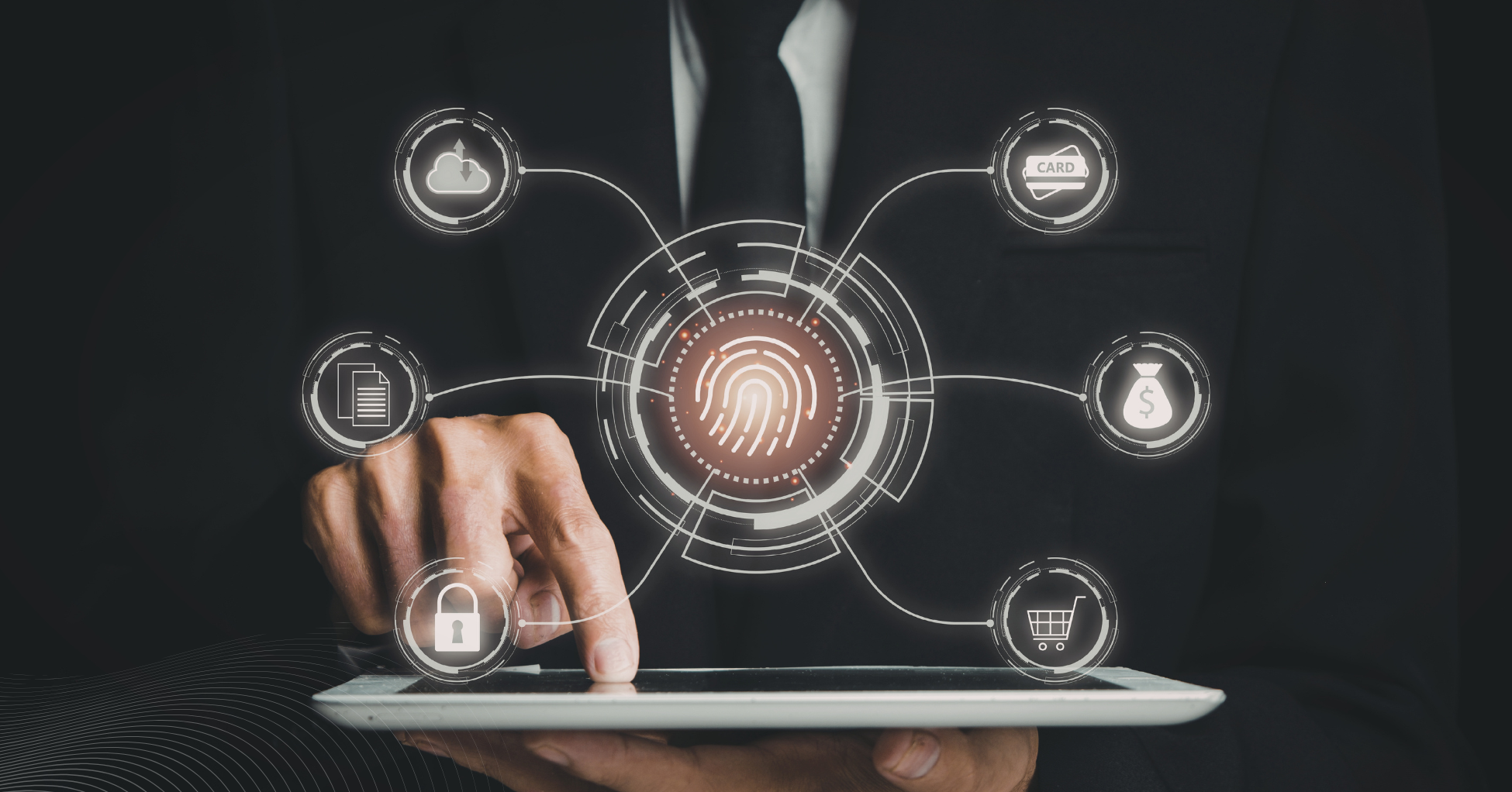
Do you use an ERP system? Here are the biggest security risks for your organization
According to SAP data, a company is targeted by ransomware every 11 seconds, and 43% of victims are SMBs. Among the main vulnerabilities and security issues faced by ERP system users are:
• Superficial authentication rules in the ERP system: simple passwords, shared accounts, or the lack of multifactor authentication (MFA) all increase the risk of unauthorized access and downtime.
• Lack of updates for the ERP and supporting systems creates critical vulnerabilities, from ransomware and DoS attacks to unauthorized access.
• Security and governance standards are not respected. As the ERP expands across departments, sensitive data becomes more diverse (financial, medical, intellectual property), and failure to comply with specific security protocols can lead to data breaches and legal penalties.
• Even if the ERP has security protocols, exporting data to external files (Excel, CSV, etc.) remains an issue, as sensitive information can be shared uncontrollably or stored on unsecured devices.</li>
• Pressure to quickly enable new users can lead to improper management of ERP authorizations and delays in deactivating accounts of employees who have left the company. The lack of modern authentication and automated workflows increases the risk of unauthorized access and exposure of sensitive data.
Identity and Authentication Management in SAP Business One
Since 2022, SAP Business One has offered Identity and Authentication Management (IAM) functionalities that allow users to authenticate using an existing account from an identity provider (IdP). This means you can use Single Sign-On (SSO)—a single account for multiple applications, portals, and services—making life easier and reducing “password fatigue,” the stress caused by having to use too many passwords. In addition, SSO increases security by lowering the risk of multiple passwords being compromised, thus reducing the potential attack surface for organizations using SAP Business One.
Another piece of good news is that SAP Business One already integrates with several well-known identity providers:
• Active Directory Federation Services (AD FS)
• Azure Active Directory (Azure AD)
• Okta
• SAP Identity Authentication Service (IAS)
You can connect these external identity providers using the OpenID Connect (OIDC) protocol, which allows identity confirmation through authentication via an authorization server. This way, you can log in to SAP Business One with a single account (for example, a Microsoft account) and enable additional security features offered by the identity provider, such as two-factor authentication (2FA), without creating another username or password.
From the SLD Control Center in SAP Business One, you centrally manage all accounts: you “bind” users to identity providers, reset passwords, activate or deactivate accounts—all changes are automatically applied to all connected users, across all companies in SAP Business One. The “multiple company user binding” function allows linking the same IdP user to multiple SAP Business One companies in a single step, so they can authenticate everywhere using the same account.
What are the main security benefits
SAP Business One strengthens data protection through a comprehensive suite of security controls—from strict access management and data encryption to audit trails, backups, and compliance with global standards such as GDPR and ISO/IEC 27001. In addition, the IAM service offers the following benefits:
• SSO (single sign-on) experience and elimination of “password fatigue”: one login, access to all integrated modules/applications. Instead of having dozens of passwords to remember for different applications, employees need only one account. Besides being simpler and more convenient, this also eliminates the risk of reusing weak passwords.
• Multifactor Authentication (MFA) and reduced attack surface: thanks to the IdP, you can use two-factor authentication (and other additional factors). If a password is compromised, without the second factor the attack is blocked. As a result, the likelihood and cost of an attack decrease significantly. Moreover, using fewer passwords means fewer opportunities for attackers.
• Enhanced login security: by connecting to an external identity provider, authentication no longer relies exclusively on locally stored accounts and passwords—vulnerable to phishing or credential theft—but is handled by a dedicated and secure service.</li>
• Stronger protection provided by IdPs: services such as Azure AD, Okta, or SAP IAS apply advanced, modern security measures, including detection of suspicious logins, automatic access blocking, conditional access policies, strict password requirements and periodic rotation, as well as MFA. All of these are enforced centrally, ensuring strict and consistent access policies for all users.
• Robust integration with extensions and the existing IT ecosystem: compatibility with the standard OpenID Connect (OIDC) protocol means organizations can implement modern authentication without major infrastructure changes, keeping existing applications, extensions, and IT workflows intact. The system integrates naturally into the company’s current setup, reducing costs, implementation time, and technical risks.
• Centralized user management: through the SLD Control Center, administrators can manage all user accounts from a single point—activation, deactivation, credential reset, or access parameter changes. There is no longer a need for separate configurations for each SAP Business One company, significantly reducing operational complexity and the risk of human error.
For more information about the IAM service and other security features in SAP Business One, schedule a discussion with a System Innovation Romania consultant at office@sysinconsult.ro.