

Workers in Romania have adopted artificial intelligence quickly: 58% have used it at work in the past 12 months, up from 42% a year ago, an increase of 16 percentage points, compared with 10 points globally. Use at work, however, remains well below personal use: 85% of workers in Romania use AI outside work, compared with 79% globally, while use at work is still below the global level of 64%, according to the 2026 edition of PwC’s Global Workforce Hopes and Fears Survey.
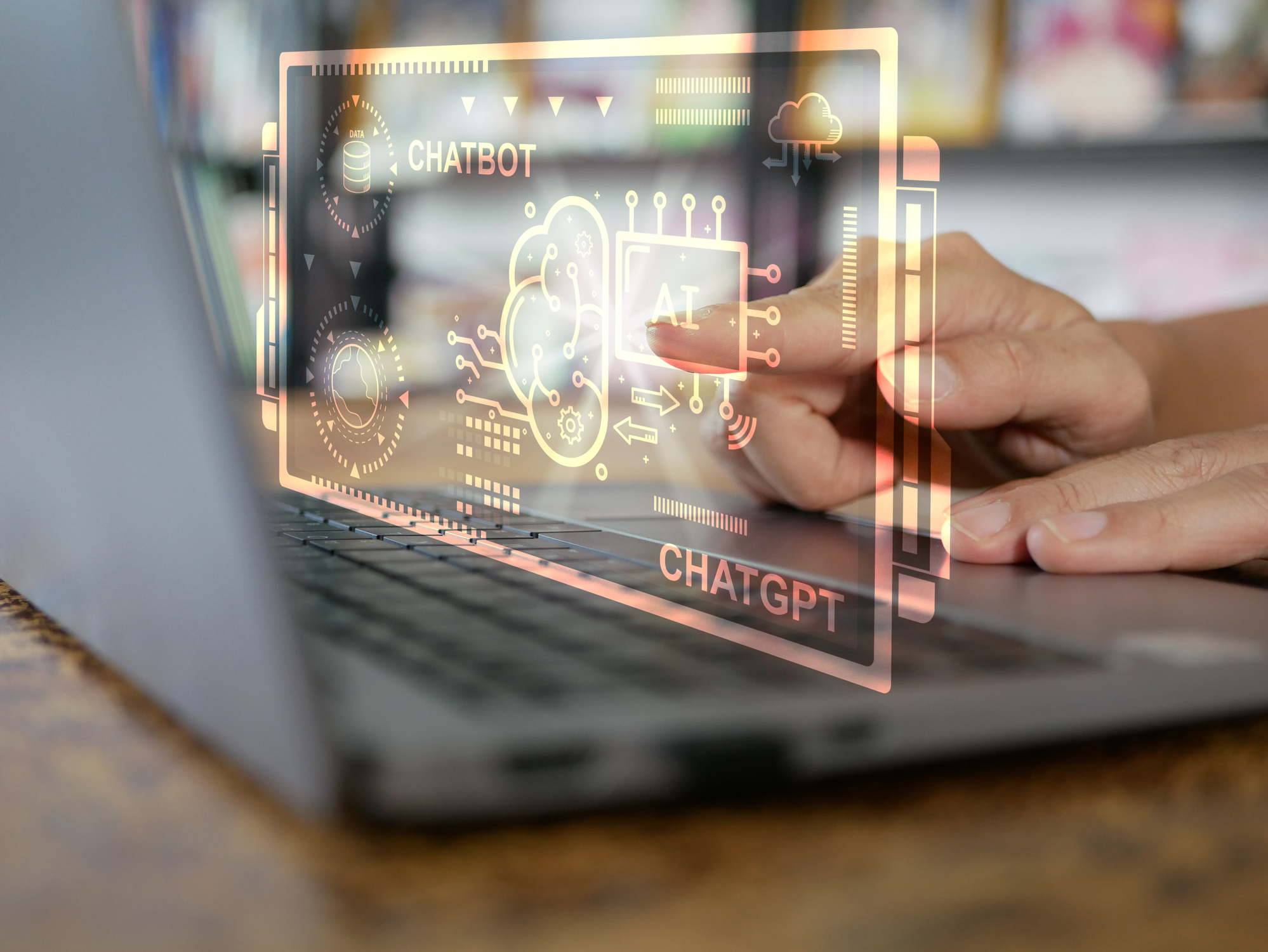
“Workers in Romania do not need to be convinced that artificial intelligence is useful, because they already use it extensively in their personal lives. The 27-percentage-point gap compared with use at work shows that the appetite is there, but organisations are not yet making the most of it. The main barrier is not a lack of skills, but the fact that people do not see where to use AI in their own role. As long as companies reward following rules and avoiding mistakes first, and initiative much less often, this potential will remain untapped. Using AI effectively and safely at work also requires more than the skills to operate AI tools: it calls for different capabilities, particularly cognitive and ethical ones,” said Oana Munteanu, Director and Workforce Leader, PwC Romania.
Asked what prevents them from using AI more at work, respondents in Romania point first to a lack of opportunities to use AI in their own role (25%), and only then to concerns about the accuracy or quality of its outputs (21%). A lack of skills is cited by just 11%, and only 9% say that using AI effectively is valued and rewarded in practice in their workplace, the same share as for innovating or challenging existing ways of working. The behaviours most often rewarded remain following processes and rules (36%) and avoiding mistakes and minimising risks (35%). The same conclusion emerges from a separate question about what most limits their productivity, where a lack of skills or training is cited by only 11% of respondents in Romania, compared with 16% globally.
Readiness to adapt is the highest in the region
Almost two thirds (63%) of workers in Romania say they feel ready to adapt to new ways of working, compared with 50% in Poland, 46% in the Czech Republic and 41% in Hungary, and above the global average of 52%. At the same time, 69% are confident in their ability to learn new skills. Access to learning resources, however, has fallen since last year, from 64% to 55%, in a year in which four in ten workers say their workload has increased to a large or very large extent.
Daily use, however, remains less widespread. Only 17% of workers in Romania use generative AI at work every day, compared with 22% globally, and 36% use it at least weekly, compared with 41% globally. AI agents are still at an early stage: 58% of workers have never used them at work, 11% use them weekly and 6% daily.
AI users report concrete benefits
Among those who use AI, 66% say it has increased the quality of their work and 29% say it helps them with the most complex parts of their job, exactly in line with the global average. At the same time, 46% say AI has increased their overall workload. Daily AI users are also the most motivated and the most trusting of their leaders, but also the most likely to leave: 30% say they are very or extremely likely to change employer in the next year, compared with 18% of all workers.