


 GLP-1 medications have become, in recent years, one of the most talked-about solutions for weight loss. Intensely promoted on social media and associated with dramatic transformations achieved in record time, these treatments are seen by many as the ideal “shortcut” to a slimmer figure. However, specialists warn that rapid weight loss does not come without risks, and long-term success depends less on the injection itself and more on sustainable lifestyle changes.
GLP-1 receptor agonists have radically transformed the way we approach obesity management. GLP-1 substances work by reducing appetite, slowing gastric emptying, and regulating blood sugar levels. In practice, the person eats less, hunger sensations are diminished, and weight loss can occur at an accelerated pace, at least initially. However, this rapid decline can create serious imbalances when treatment is followed without medical supervision and without nutritional education.
Cori Grămescu, nutrition technician and NASM-accredited Nutrition Coach (National Academy of Sports Medicine, USA), explains how GLP-1-assisted weight loss should be approached correctly, the substantial risks involved, and, most importantly, what the proper nutrition plan should look like after stopping treatment.
What People Choosing GLP-1 Treatments Should Pay Attention To
Many patients begin treatment with purely aesthetic expectations and without understanding that these medications do not “heal” one’s relationship with food. Without a proper nutrition plan, there is a real risk that, after stopping treatment, the weight will quickly return unless dietary interventions and personalized training programs are implemented from the beginning.
“GLP-1 medications mimic a natural hormone that slows stomach emptying, activates metabolism, and signals satiety to the brain. Although effective, they are not ‘weight loss candy’ and should not be taken simply to lose 3–5 kilograms before a vacation. Among the most common problems associated with GLP-1 use are: loss of muscle mass, not just fat; nutritional deficiencies caused by extremely low food intake; nausea, vomiting, reflux, constipation, or diarrhea; severe fatigue and lack of energy; decreased basal metabolic rate; eating behavior disorders; and, of course, rebound weight gain after treatment discontinuation. There are also individuals who end up consuming extremely few calories daily, which can lead to malnutrition and significant hormonal imbalances.
Therefore, medication should never be viewed as a standalone solution. GLP-1 can be a useful tool in obesity management, but it does not replace nutritional education and lifestyle changes. If the patient does not learn how to eat properly and maintain muscle mass, the risk of regaining weight after stopping treatment is very high,” explains Cori Grămescu.
Why Weight Regain Happens After GLP-1 Treatments
One of the greatest challenges appears after discontinuing treatment. In many cases, appetite returns suddenly, and hunger is amplified by nutritional deficiencies. People who have not developed healthy eating habits often revert to old behaviors, with even less control over cravings.
Moreover, if they also lost muscle mass during the diet, total metabolism becomes slower, while the fatigue caused by nutritional imbalance reduces motivation to stay active. As a result, the body burns fewer calories than before, and weight regain may occur even faster.
“The biggest problem with weight loss medication is the rebound effect. Studies show that most patients who stop treatment without making profound lifestyle changes (structured nutrition and exercise) regain up to two-thirds of the weight lost within the first year. To prevent this, nutrition must follow strict metabolic reconstruction rules. Maintaining results depends on three essential elements: balanced nutrition, regular physical activity, and proper sleep and stress management.”
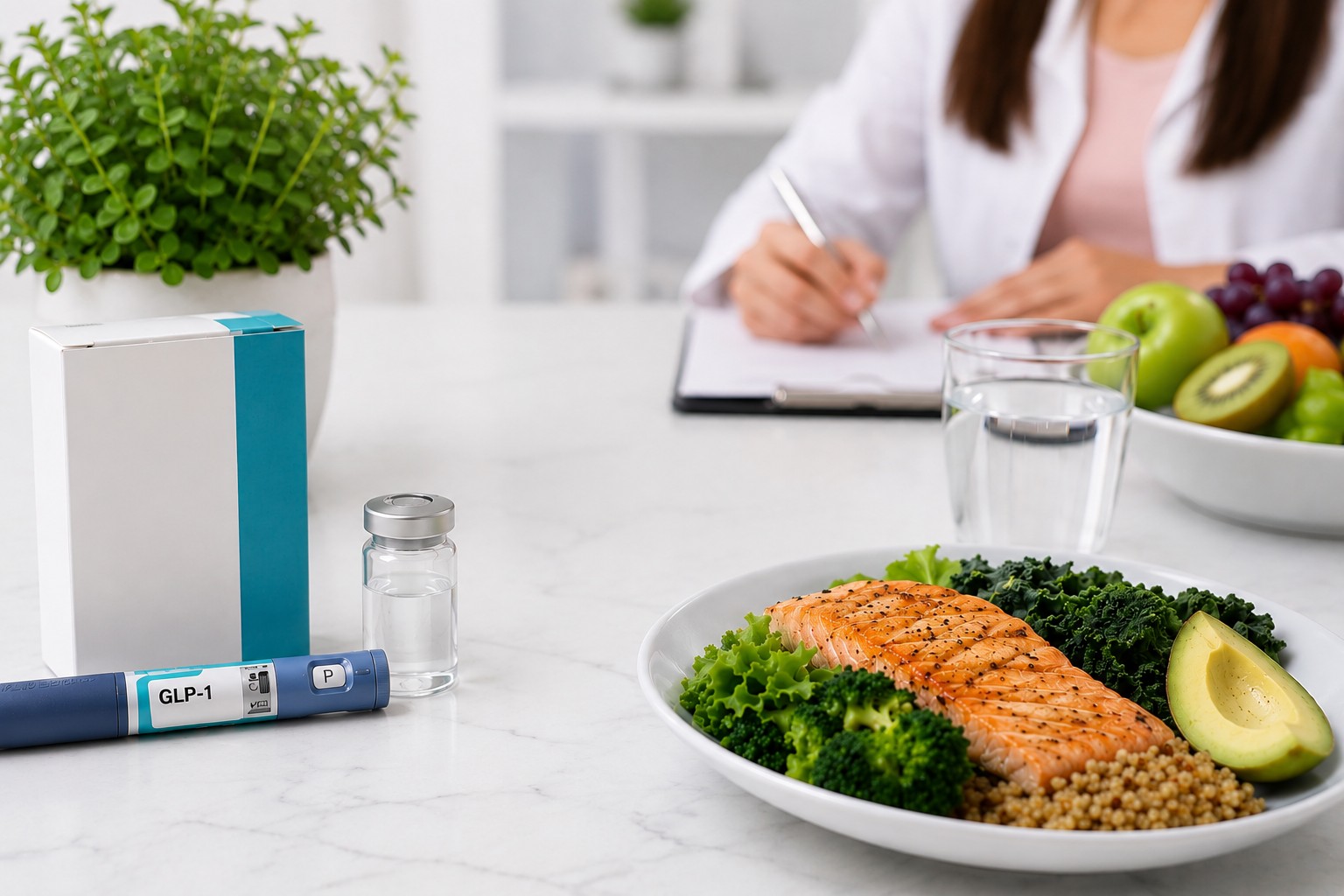
What Nutrition Should Look Like After Weight Loss Medication
After beginning treatment, the main objective should no longer be “rapid weight loss,” but rather metabolic stabilization and preventing the yo-yo effect.
1. Protein Must Become a Priority
During GLP-1 treatment, appetite decreases so dramatically that many people no longer consume enough protein. This promotes muscle loss.
“Because appetite is extremely low, we risk eating too little protein. This leads to massive muscle loss, meaning metabolic rate decreases. When treatment stops, we may gain weight just by standing next to a slice of bread. Meals should include: eggs, fish, lean meat, Greek yogurt, low-fat cheeses, tofu, or legumes. Protein helps with maintaining muscle mass, appetite control, blood sugar stabilization, and preventing weight regain.”
2. Fiber Is Essential for Satiety
GLP-1 slows digestion, which can lead to severe constipation. Fiber is essential for maintaining bowel regularity and feeding the gut microbiome, which plays a critical role in long-term weight maintenance.
“Root vegetables, legumes, fibrous vegetables, leafy greens, fruits with a moderate glycemic index, and unprocessed whole grains should become the foundation of daily nutrition. These foods support digestion, reduce blood sugar fluctuations, provide satiety, and support the intestinal microbiome. Special attention should be paid to prebiotic fibers, which greatly help reduce bloating associated with anti-obesity medication.”
3. Healthy Fats, but in Moderation
Fats are essential for hormone production, but because digestion is already slowed, very fatty meals can cause severe nausea during GLP-1 treatment. Recommended options include avocado, extra virgin olive oil, green olives, or a few raw walnuts or almonds.
4. Regular Meals, Not Extreme Restrictions
One common mistake after discontinuing GLP-1 treatment is returning to extreme diets following episodes of overeating due to fear of weight gain. Severe restriction increases the risk of uncontrolled eating episodes while also disrupting digestion.
“The eating schedule should include: 3 main meals, 1–2 balanced snacks, regular meal times, and adequate hydration. Many people ‘forget’ to drink water because thirst signals are often confused with or diminished alongside hunger cues. Dehydration worsens constipation and fatigue. My recommendation is a minimum of 2–2.5 liters of still water per day. You may occasionally add sugar-free electrolytes if you experience dizziness. These habits must be maintained and monitored even after treatment prescribed by the doctor has ended.”
5. Carbohydrates Should Not Be Eliminated
Many patients develop a fear of carbohydrates after rapid weight loss programs. However, complex carbohydrates are necessary for energy and proper metabolic function. Recommended sources include root vegetables, oats, potatoes, whole grains, and legumes.
6. Physical Exercise Becomes Mandatory
After accelerated weight loss, the body needs muscle rebuilding. Without movement, metabolism remains slow and prone to weight regain, while body fat percentage rises quickly.
Recommended workouts include: resistance exercises with free weights, gym strength training, brisk walking, mobility and stretching exercises, and posture and stability exercises from the Pilates category for muscular rebalancing.
“Patients who lose weight with GLP-1 must understand that maintaining their weight after treatment depends on muscle mass and routine. Consistent movement, balanced nutrition, and good sleep are what stabilize long-term results, not the medication itself.”
Sample Nutrition Plan for Maintaining Weight After GLP-1
Breakfast: Vegetable omelet; one slice of whole-grain bread; high-protein yogurt.
Snack: One fruit and a few nuts.
Lunch: Fish or lean meat; large salad; moderate serving of rice or sweet potato.
Snack: Kefir or Greek yogurt with a few tablespoons of chia seeds.
Dinner: Creamy vegetable soup and a protein source; or salad with tofu, avocado, and seeds; or a light vegetable dish with meat.
“Obesity and overweight are not just aesthetic issues; they are deeply connected to how we manage emotions, sleep, and automatic eating behaviors. GLP-1 medications place a chemical pause on these problems, but they do not solve them. If, during the months we follow treatment, we do not learn how to manage stress without food, cook balanced meals, and integrate movement into our daily routine, once the effect of the substance disappears, we will return exactly to where we started — but with significantly less muscle mass. GLP-1 treatments drastically reduce appetite, but the downside is that patients may end up suffering from malnutrition. When we eat extremely little, the body obtains energy by cannibalizing its own muscle mass. The result? A person with fewer kilograms, but a relatively high body fat percentage and a completely collapsed metabolism. Without resistance training and a clearly structured protein intake, weight regain after stopping treatment is almost guaranteed — and it will consist almost entirely of fat tissue. GLP-1-assisted weight loss can be a truly helpful tool for people suffering from chronic obesity or severe metabolic issues, but it must be viewed as a window of opportunity, not a permanent magic solution. If you decide to pursue such a solution, make sure you are monitored by an endocrinologist or diabetologist, work alongside a nutritionist to ensure adequate nutrient intake, and do not neglect exercise. The only way to defeat the rebound effect is to use the treatment period to build eating habits you can maintain for the rest of your life,” concludes Cori Grămescu.
GLP-1 treatments can represent an effective solution for people with excess weight or obesity, especially when medically recommended and integrated into a comprehensive lifestyle-change program. However, their use without supervision and nutritional education can lead to muscle loss, nutritional deficiencies, and rapid weight regain after therapy discontinuation. In the long term, the key is not only losing weight, but building sustainable habits that support metabolic health and a balanced relationship with food.