

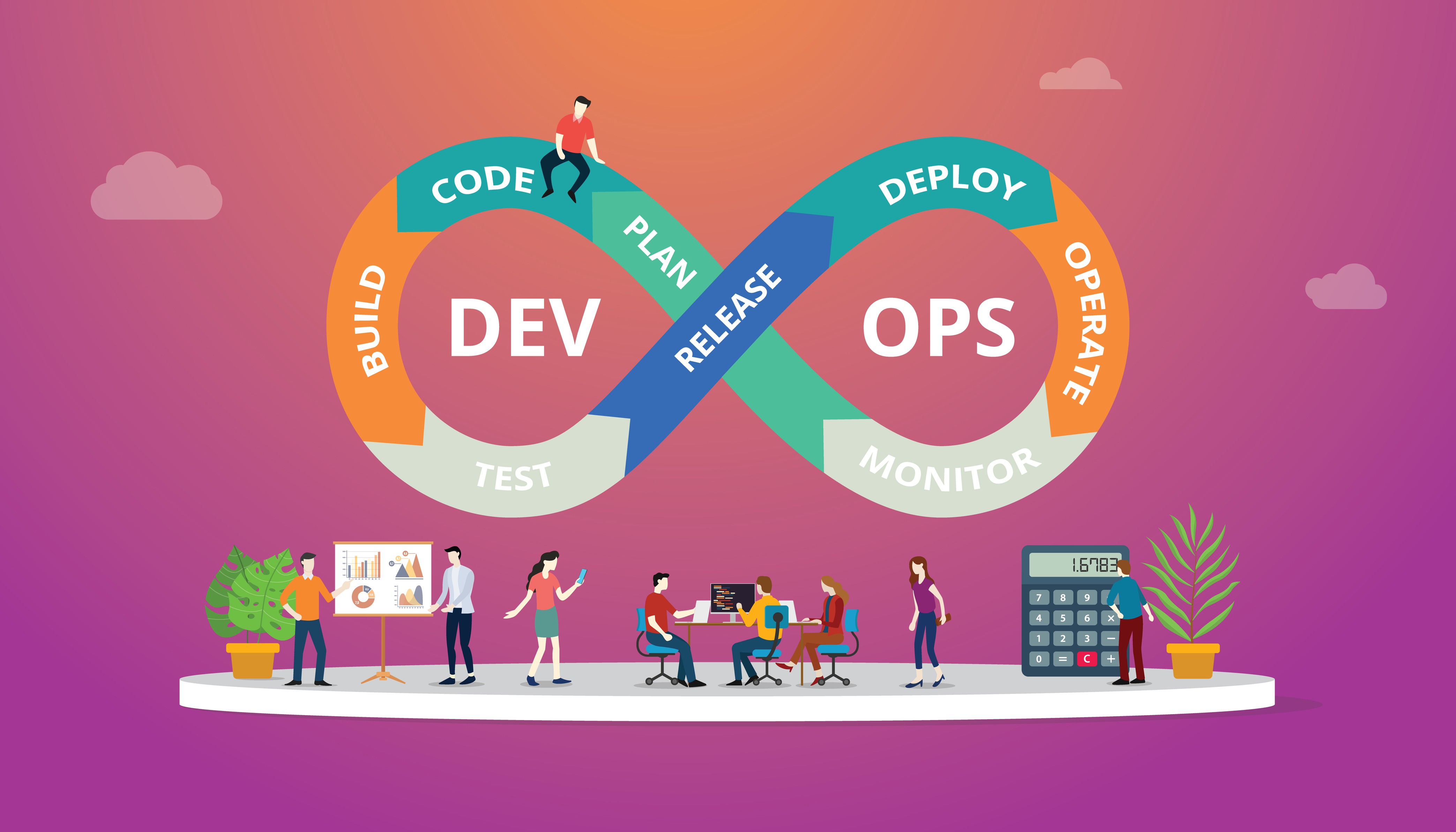
 In 2026, the way companies develop and operate IT systems (DevOps) continues to evolve. The focus is no longer solely on speed and rapid scalability, but increasingly on operational sustainability and built-in security. The overarching direction is clear: simplifying complexity through intelligent platforms and optimized resource management.
SoftServe, a leading global IT consulting and digital services provider, outlines five DevOps trends set to gain momentum in the coming year.
 We clearly see that organizations are striving to strike a balance between innovation, security, and efficiency. In DevOps, this translates into better-informed decisions, enhanced system visibility, and the ability to manage complexity without compromising security or operational performance,” said George Dobrișan, Associate Cluster Lead Romania, Cloud & DevOps Services, SoftServe.
Drawing on extensive experience in delivering DevOps solutions at scale, SoftServe teams have identified a set of trends that will shape 2026. These directions underscore how AI, security, and operational efficiency are becoming central pillars of modern IT strategies.
AI moves from ‘nice to have’ to ‘must have’
One of the most significant trends for 2026 is the maturity of AIOps, which in many cases is shifting from optional capability to essential component. Artificial intelligence is increasingly embedded into infrastructure monitoring, data analysis, and autonomous incident remediation. At the same time, AI is no longer used solely to accelerate code development; it is assuming an active role in reasoning, analysis, content generation, and correction, enabling AI agents to make informed, real-time decisions.
Security prioritized from day one
In parallel, DevSecOps is seeing a clear acceleration of the “shift-left” approach. Security is no longer treated as a separate or final phase but is integrated from the very start of the development process. The growing use of AI agents across the application lifecycle further amplifies the need for early-stage security mechanisms designed to prevent vulnerabilities before they emerge.
Agentic AI integrated across the entire software development lifecycle
Another major direction is the integration of agentic AI throughout the Software Development Life Cycle (SDLC). From planning and development to testing and deployment, AI agents contribute to faster processes and higher-quality deliverables. At the same time, organizations gain greater visibility into the reasoning behind automated decisions, with the ability to supervise, validate, and adjust AI-driven actions as needed.
Observability becomes critical in an increasingly distributed environment
As IT infrastructures grow more distributed and increasingly dependent on AI, observability remains a cornerstone. Demand for collecting and correlating logs and telemetry data continues to rise, as organizations can no longer afford to speculate on the root causes of production incidents. Standardized observability processes enable clearer insights into system behavior and help reduce downtime.
FinOps becomes an integral component
FinOps is increasingly embedded into internal processes, driven by the maturity of cloud adoption and mounting cost pressures. Real-time expense monitoring, correlating costs with actual service consumption, and introducing cost gates within delivery pipelines are becoming standard practices.
Overall, according to SoftServe Romania specialists, DevOps trends for 2026 point to accelerated AI adoption and a stronger emphasis on security and operational efficiency.